
How to make a home safer to prevent Falls

Is it safe for my mum or dad to live alone?
Many older people live safely and happily on their own for years. Living independently allows them to remain in familiar surroundings, maintain their routines and enjoy a sense of control over their daily lives.
However, there may come a point when you begin to notice small changes that make you wonder whether living alone is still the safest option. These changes are often gradual, making them difficult to recognise at first. If you've found yourself asking, "Is Mum still coping?" or "Should Dad really be living on his own?", you're not alone. It's one of the most common concerns families face as parents get older. The good news is that living alone doesn't automatically mean someone is unsafe. What matters is whether they can continue managing daily life confidently and whether the right support is available when they need it.
Living Alone Doesn't Mean Living Without Support
Many older adults continue to live independently well into later life. The key is ensuring they have the right environment, routines and support around them.
Rather than asking whether someone should live alone, it can be more helpful to ask:
-
Can they move around the home safely?
-
Are they managing everyday tasks without struggling?
-
Are they eating and drinking properly?
-
Can they remember to take their medication?
-
Do they know what to do if something goes wrong?
Answering these questions honestly often provides a clearer picture than age alone.
Signs That Your Parent May Be Struggling
It's often the small changes that tell the biggest story.
You might notice that your parent:
-
Has fallen or nearly fallen.
-
Holds onto furniture when walking.
-
Seems less steady on their feet.
-
Avoids using the stairs.
-
Has stopped going out as often.
-
Is forgetting appointments or medication.
-
Leaves household jobs unfinished.
-
Has unopened post building up.
-
Wears the same clothes for several days.
-
Has an emptier fridge than usual.
-
Appears more anxious or withdrawn.
None of these signs necessarily means they can no longer live independently. However, several together may suggest they would benefit from additional support.
Are They Eating Well?
Preparing meals can become more difficult with age.
Reduced mobility, arthritis, poor eyesight or simply a lack of motivation can all make cooking feel like hard work.
Warning signs include:
-
Food is going out of date.
-
Weight loss.
-
Empty cupboards.
-
Reliance on biscuits or snacks instead of proper meals.
-
Difficulty carrying shopping home.
Good nutrition plays an important role in maintaining strength, balance and overall health, making it an important factor when considering whether someone is coping at home.
Is the House Becoming Harder to Manage?
Keeping a home clean and organised becomes more physically demanding over time.
Take note if you notice:
-
Clutter is building up.
-
Laundry is not being done.
-
Overflowing bins.
-
Dirty dishes left for days.
-
Poor lighting.
-
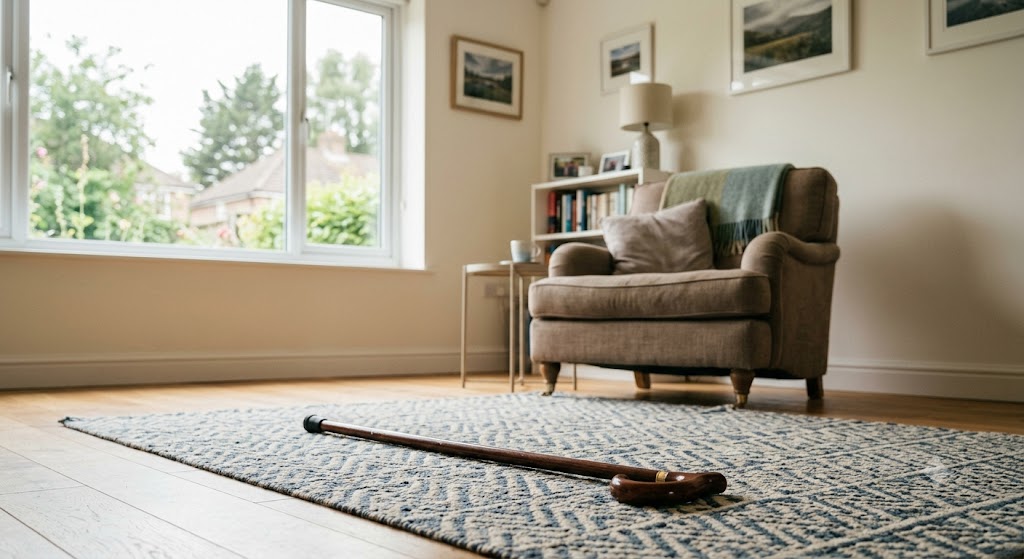
Trip hazards around the home.
Sometimes these changes happen simply because everyday tasks have become tiring rather than because someone is unwilling to do them.
Have They Become Less Confident?
Confidence often changes before physical ability.
Someone who has experienced a fall—or even a near miss—may begin avoiding activities they once enjoyed.
You may notice they:
-
Decline invitations.
-
Avoid walking outside.
-
Stop visiting friends.
-
Become nervous using stairs.
-
Stay in one room for most of the day.
Unfortunately, becoming less active can lead to weaker muscles and poorer balance, increasing the likelihood of future falls.
Are They Becoming More Isolated?
Loneliness doesn't just affect emotional well being; it can also affect physical health.
Older adults who spend long periods alone may become less active, eat less well and have fewer opportunities for someone to notice changes in their health.
Regular contact with family, friends, neighbours or carers can help reduce isolation while providing reassurance that someone is checking in on them.
What Happens if They Have a Fall?
One of the biggest concerns about living alone is what happens if an accident occurs.
Ask yourself:
-
Would someone know if they fell?
-
Could they reach a telephone?
-
Would they be able to get up?
-
Do they have a way of calling for help?
Many families choose to introduce personal alarms, fall detection devices or regular visits to provide additional reassurance.
Ways to Help Someone Stay Independent
Supporting independence doesn't always mean making major changes.
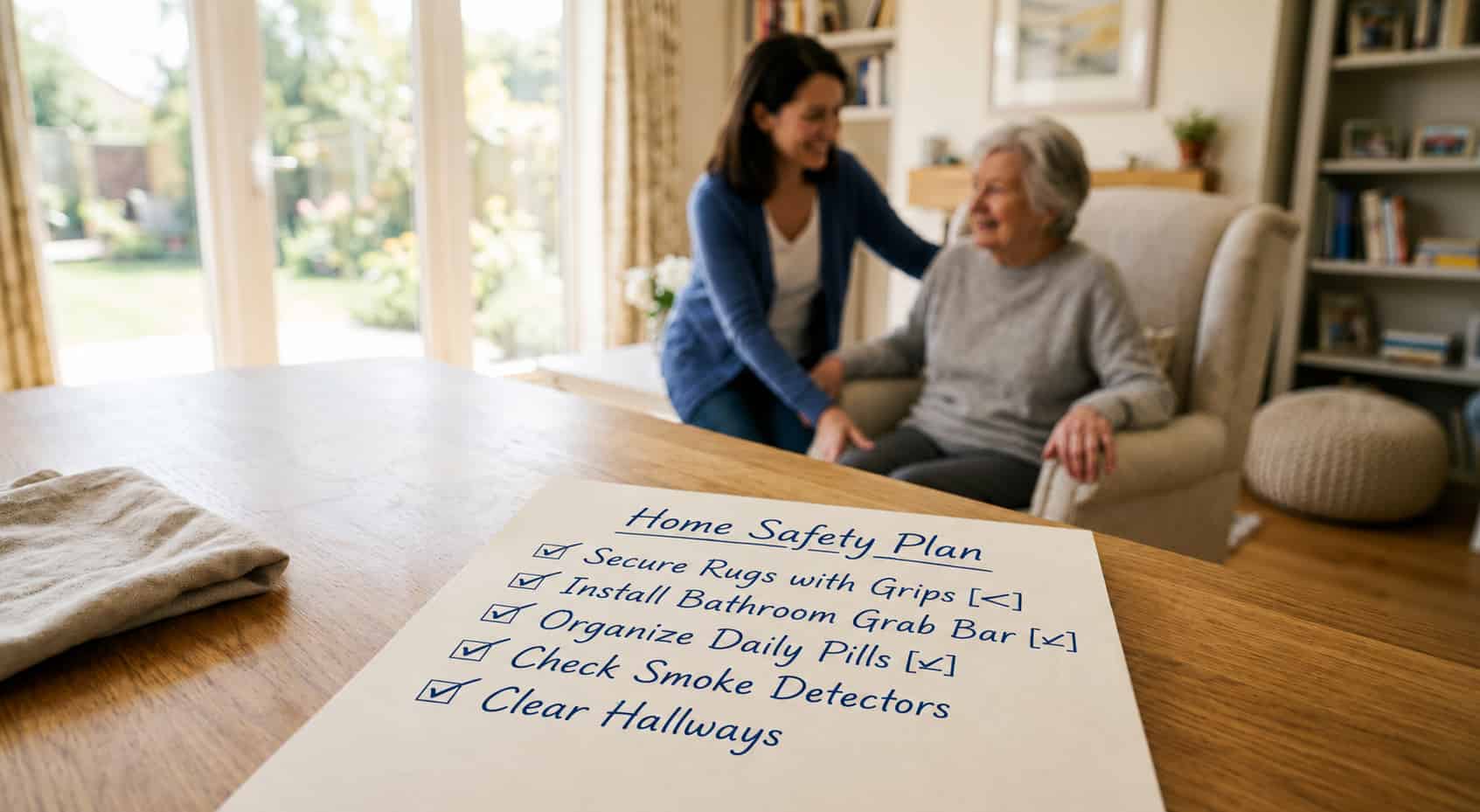
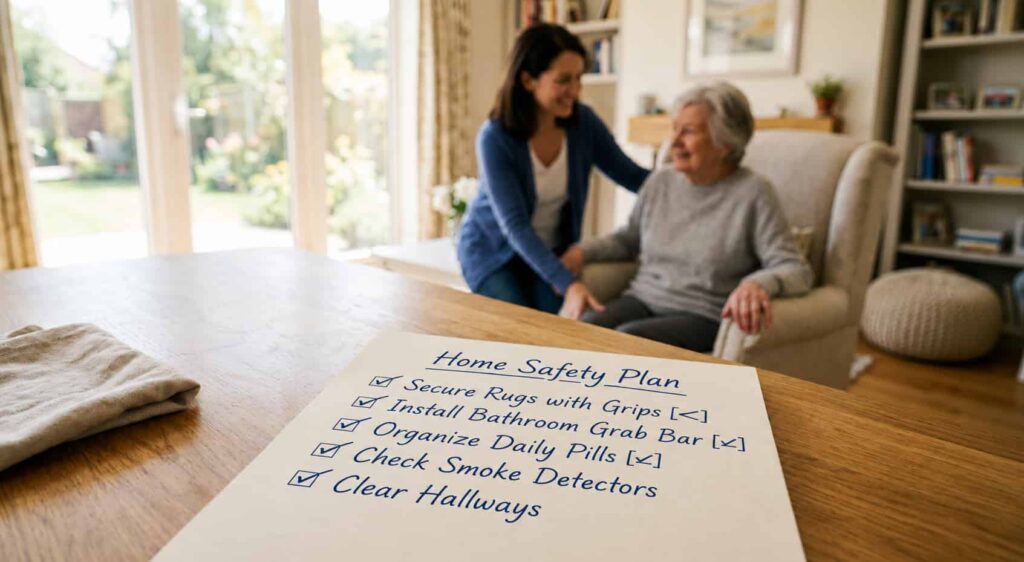
Often, simple steps can make everyday life much safer.
These might include:
-
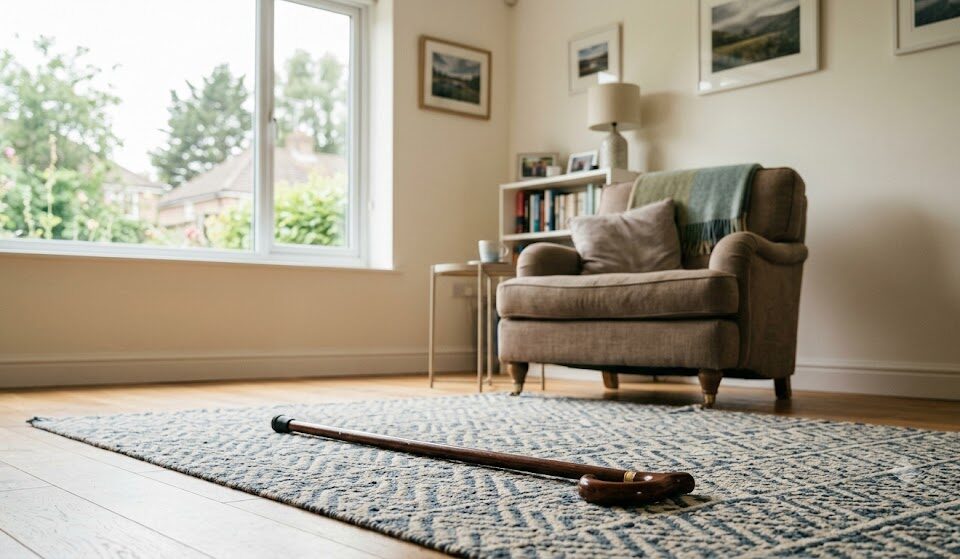
Removing trip hazards.
-
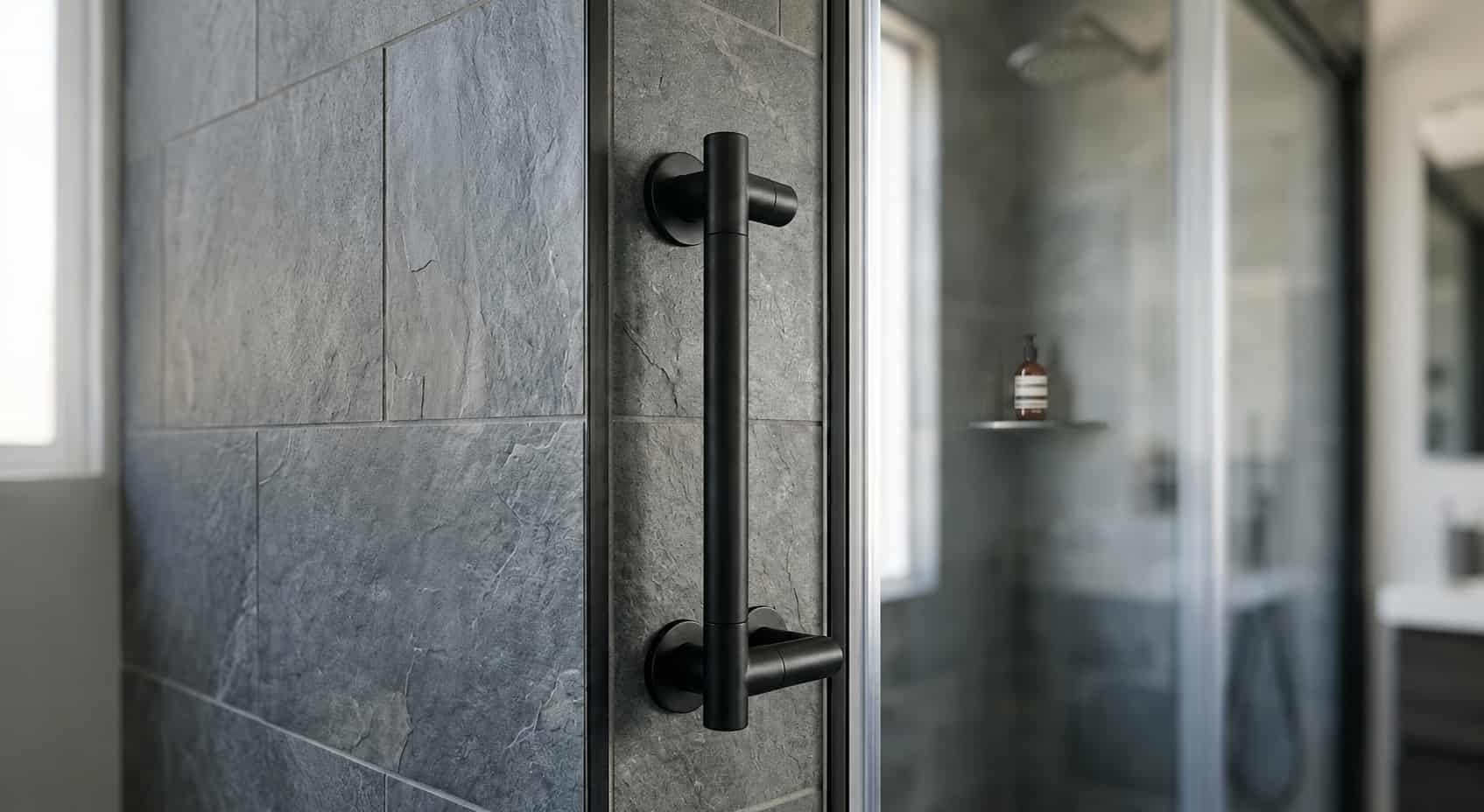
Installing grab rails.
-
Improving lighting.
-
Arranging medication reminders.
-
Encouraging regular exercise.
-
Scheduling eye and hearing tests.
-
Setting up regular family check-ins.
-
Using technology such as personal alarms.
These practical measures can help reduce risks while allowing someone to continue enjoying life at home.
When Should You Consider Home Care?
Many families assume home care is only needed when someone can no longer manage on their own. In reality, introducing support earlier can help people remain independent for longer.
Home care may be worth considering if your parent:
-
Has experienced repeated falls.
-
Is becoming less mobile.
-
Needs help with washing or dressing.
-
Is forgetting medication.
-
Is struggling with cooking or shopping.
-
Has become isolated.
-
No longer feels confident living alone.
Support can often begin with just a few visits each week and increase only if needs change over time.
Having the Conversation
Talking to a parent about accepting help isn't always easy. Many older adults worry that accepting support means losing their independence. In reality, the opposite is often true. Approach the conversation gently. Focus on their goals, whether that's staying in their own home, continuing favourite activities or feeling safer, not on what they can no longer do. Listening to their concerns and involving them in decisions helps ensure they remain in control of their own care.
Independence Looks Different for Everyone
There isn't a single age at which someone becomes too old to live alone. Some people remain completely independent into their nineties, while others benefit from a little extra support much earlier. The important thing is recognising changes before they lead to a crisis.
By paying attention to the small signs, making the home safer and introducing support when it's needed, many older adults can continue living independently with confidence, dignity and peace of mind for years to come.
Still Worried About Your Parent's Safety?
If you're noticing changes in your parent's mobility or confidence, you don't have to figure everything out on your own. Our friendly team is here to offer practical advice and help you understand what support may be available, with no pressure or obligation.