What Happens When an Elderly Person Has a Fall!

Is it safe for my mum or dad to live alone
How to make a home safer to prevent Falls.
For many older adults, home is where they feel most comfortable. It's familiar, full of memories, and is where they want to remain for as long as possible. However, the home is also where the majority of falls occur.
According to the NHS, falls are one of the leading causes of injury in older people, but many are preventable. Often, it's not one major hazard that causes a fall—it is a combination of small risks that build up over time. Reduced balance, poorer eyesight, muscle weakness and everyday trip hazards can all increase the likelihood of an accident. The good news is that making a home safer doesn't usually require expensive renovations. A series of small, practical improvements can make a significant difference to safety, confidence and independence.
Why Falls Happen at Home
As we age, our bodies naturally change. Muscles become weaker, reactions slow down, and balance can become less reliable. Conditions such as arthritis, Parkinson's disease or dementia may also affect mobility.
When these changes are combined with common household hazards, the risk of falling increases.
Some of the most common causes include:
-
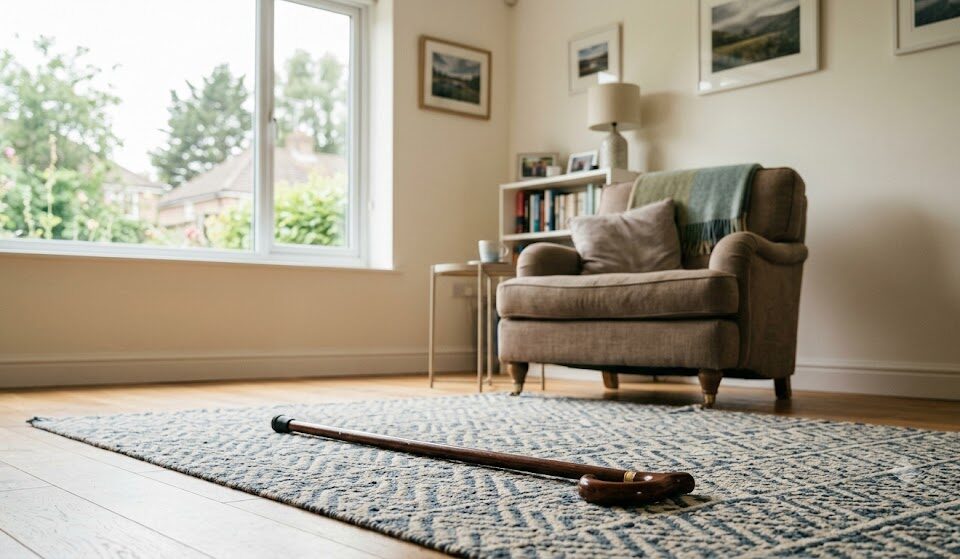
Loose rugs and mats that slide underfoot.
-
Trailing electrical cables across walkways.
-
Poor lighting, particularly in hallways and on stairs.
-
Slippery bathroom floors.
-
Clutter left on the floor.
-
Uneven door thresholds or damaged flooring.
-
Reaching for items stored too high.
-
Wearing slippers without proper grip.
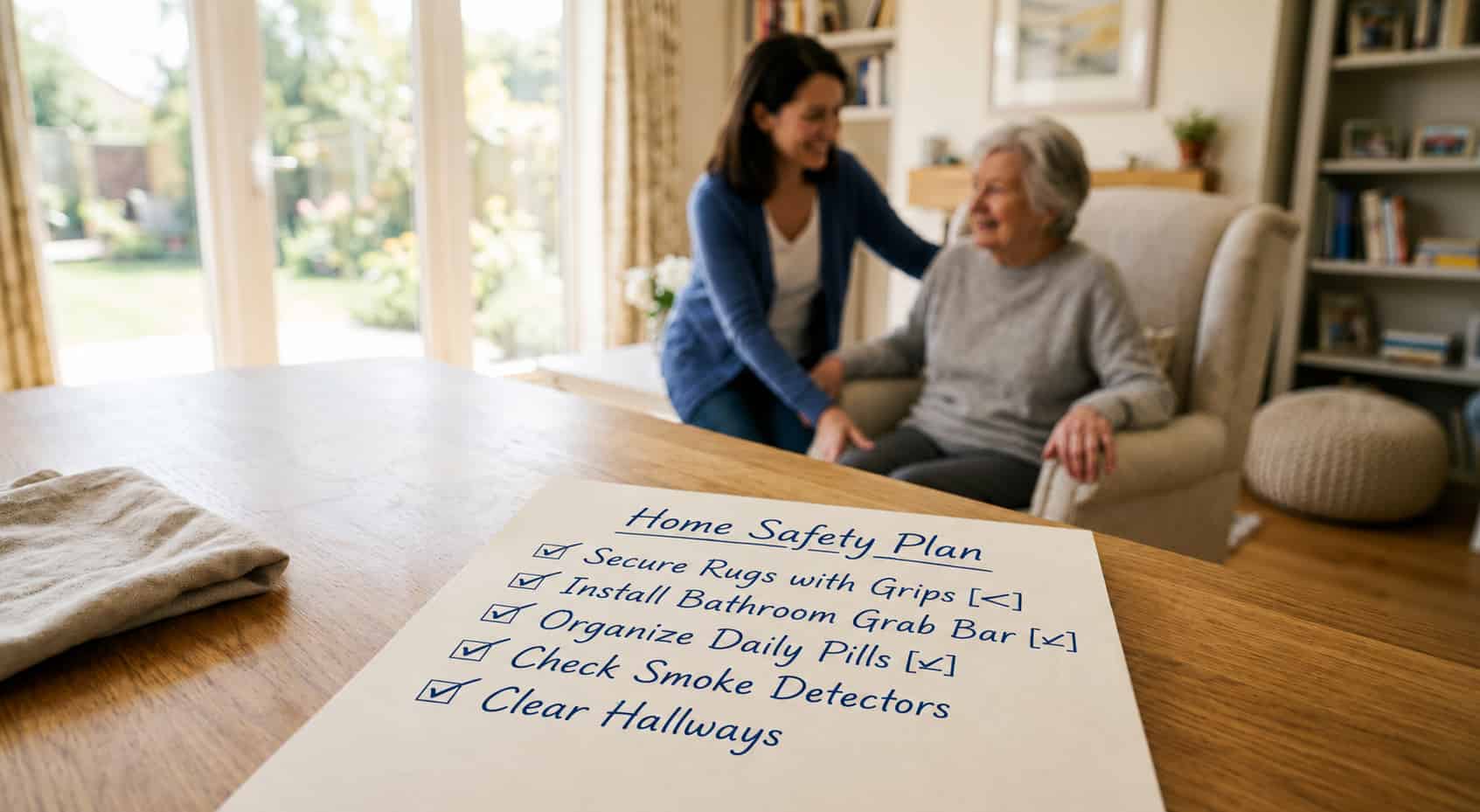
The aim isn't to remove every possible risk, but to make the home easier and safer to move around every day.
Start With a Room-by-Room Safety Check
Walking through the home with fresh eyes is often the best place to begin.
Ask yourself:
-
Is there enough space to walk comfortably?
-
Could someone trip over anything on the floor?
-
Is every area well lit?
-
Are handrails available where they're needed?
-
Would someone feel confident walking around at night?
Looking at the home from the perspective of someone with reduced mobility can quickly highlight areas that could be improved.
Living Room Safety
The living room is where many older adults spend most of their day, so keeping it safe is particularly important.
Check that:
-
Walkways are clear of furniture and clutter.
-
Rugs are removed or secured with non-slip backing.
-
Electrical cables are tucked away safely.
-
Chairs are sturdy and easy to stand up from.
-
Frequently used items such as the television remote, telephone or glasses are within easy reach.
Avoid placing furniture where someone has to squeeze through narrow gaps.
Kitchen Safety
The kitchen involves frequent movement, bending and carrying, making it another common location for falls.
Simple improvements include:
-
Store everyday items between waist and shoulder height.
-
Clean up spills immediately.
-
Use non-slip flooring where possible.
-
Avoid standing on chairs or stools to reach cupboards.
-
Ensure worktops remain uncluttered.
If carrying hot drinks feels difficult, consider using lighter kettles or kettle tippers designed for older adults.
Bathroom Safety
Bathrooms present one of the highest risks because water creates slippery surfaces.
Consider installing:
-
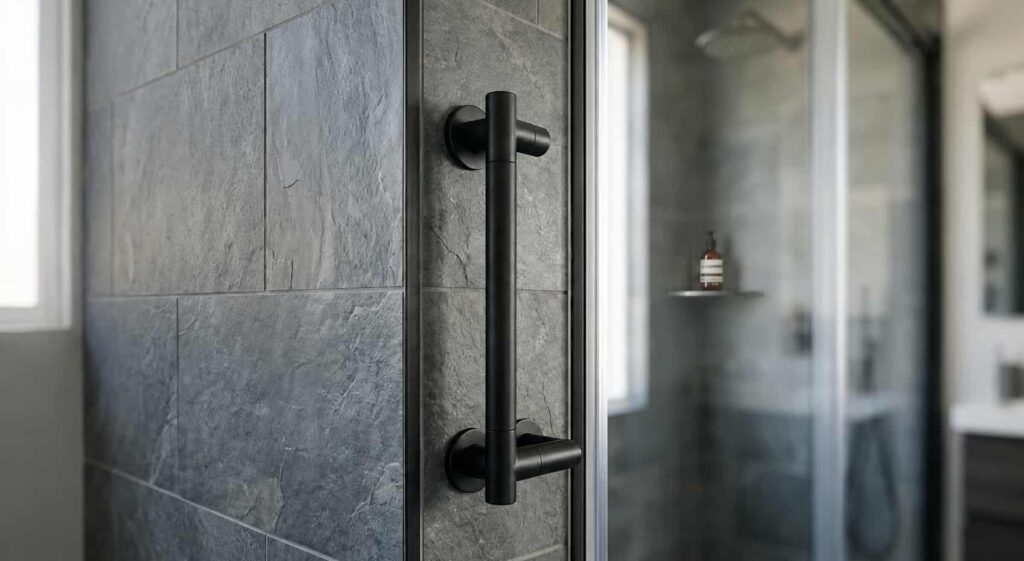
Grab rails near the toilet and shower.
-
Non-slip bath and shower mats.
-
A shower seat if standing becomes difficult.
-
Lever taps that are easier to use.
-
Good lighting for evening use.
If getting in and out of the bath is becoming difficult, it may be worth discussing alternative bathing options with an occupational therapist.
Stair Safety
Stairs require strength, balance and good vision.
To reduce risk:
-
Install secure handrails.
-
Keep stairs free from shoes, bags and other items.
-
Make sure every step is clearly visible.
-
Repair loose carpets immediately.
-
Ensure the staircase is well-lit, with switches at both the top and bottom.
If someone avoids using the stairs because they feel unsteady, it could be a sign that they need additional support.
Improve Lighting Throughout the Home
Poor lighting makes it much harder to spot hazards.
As eyesight naturally changes with age, brighter lighting becomes increasingly important.
Focus on:
-
Hallways.
-
Staircases.
-
Kitchens.
-
Bathrooms.
-
External entrances.
Night lights can also help if someone regularly gets up during the night to use the bathroom.
Natural daylight should be maximised wherever possible by opening curtains and keeping windows clean.
Wear Safe Footwear
Many people underestimate how much footwear affects stability.
Supportive shoes with low heels and non-slip soles offer far better grip than loose slippers or walking around in socks.
Shoes should fit properly and fasten securely so they don't slip off while walking.
Stay Physically Active
One of the best ways to reduce the risk of falling is to maintain muscle strength and balance.
Regular activity helps improve:
-
Leg strength.
-
Balance.
-
Flexibility.
-
Coordination.
-
Confidence.
Walking, swimming, chair exercises, and balance exercises can all be beneficial. Even gentle movement performed consistently can help maintain independence.
If someone has existing medical conditions, it's sensible to seek advice before beginning a new exercise programme.
Don't forget vision, hearing, and Medication
Many falls have underlying medical causes.
Regular eye tests help identify vision changes that may affect depth perception or awareness of obstacles.
Hearing also contributes to balance, so hearing checks should not be overlooked.
Medication is another important consideration. Some medicines may cause dizziness, drowsiness or changes in blood pressure that increase the risk of falling. If someone begins falling after starting a new medication, they should discuss this with their GP or pharmacist.
Technology Can Help
Technology cannot prevent every fall, but it can provide reassurance.
Examples include:
-
Personal alarm pendants.
-
Motion-activated lighting.
-
Video doorbells.
-
Smart home devices.
-
Fall detection systems.
These tools can provide peace of mind for both older adults and their families, particularly if someone lives alone.
When Home Adaptations Aren't Enough
Sometimes the home itself isn't the main issue. If someone has fallen several times, is becoming anxious about walking, struggles with everyday tasks or is beginning to lose confidence, additional support may be appropriate.
Home care can help by providing:
-
Mobility support.
-
Assistance with personal care.
-
Medication reminders.
-
Meal preparation.
-
Regular wellbeing checks.
-
Companionship and reassurance.
Having a professional carer visit regularly can help identify changes early and reduce the risk of future falls while allowing someone to continue living safely at home.
Creating a Safer Home Starts With Small Changes
Preventing falls doesn't happen through one major change. It comes from making lots of small improvements that work together to reduce risk.
Removing hazards, improving lighting, reviewing medication, staying active and recognising when extra support may be needed can all make a meaningful difference.
If you're concerned about your own safety or the well-being of an elderly parent, taking action today could help prevent a serious fall tomorrow. Small changes made now can protect independence, improve confidence and help people continue enjoying life safely in the place they know best—their own home.
Still Worried About Your Parent's Safety?
If you're noticing changes in your parent's mobility or confidence, you don't have to figure everything out on your own. Our friendly team is here to offer practical advice and help you understand what support may be available, with no pressure or obligation.