
Falls Prevention and Staying Independent at Home
How falls can Affect Independence
If someone has fallen and you think they may have a serious injury, or they are unable to get up safely, seek medical help immediately. The NHS advises calling 999 in an emergency, or using NHS 111 for urgent medical advice if it's not a life-threatening emergency. Our guide focuses on preventing falls and supporting people to stay safe at home—it is not a substitute for emergency medical care.
Signs someone may be at risk of falling

Decrease in Balance
Previous Falls

Reduced Confidence
Difficulties moving at Home
Simple ways to reduce the risk of Falls
Many falls can be prevented by making a few simple changes to daily routines and the home environment. While not every fall can be avoided, taking proactive steps can help older adults remain safer, more confident, and independent.
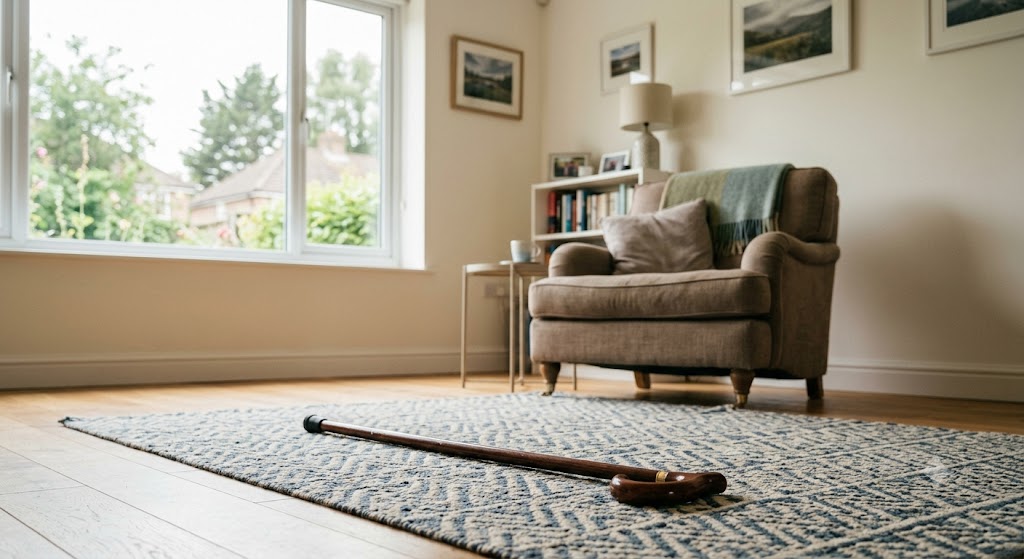
Many falls happen because of everyday hazards around the home. Keeping walkways clear, removing loose rugs, securing trailing cables, improving lighting, and installing handrails where needed can all help reduce the risk of trips and falls.
Regularly reviewing the home environment can make it safer and easier to move around with confidence.
Key takeaways:
- Remove trip hazards
- Improve lighting
- Install handrails or grab rails
- Keep frequently used items within easy reach
Regular physical activity can help maintain strength, balance, flexibility, and coordination, all of which play an important role in reducing the risk of falls. Staying active can also improve confidence and make everyday activities easier to manage.
Simple activities such as walking, gentle stretching, and balance exercises may all be beneficial. If you're unsure where to start, it's always worth speaking with a healthcare professional before beginning a new exercise routine.
Age UK's guide to exercises for older people provides a range of simple exercises designed to help improve strength, flexibility, and balance.
Key takeaways:
- Keep moving regularly
- Build strength and improve balance
- Choose activities that suit your ability
- Follow trusted guidance when starting new exercises
Some medications can cause dizziness, drowsiness, or changes in blood pressure, all of which may increase the risk of falling. If you have concerns about side effects or notice changes after starting a new medication, speak to your GP or pharmacist. Never stop taking prescribed medication without professional advice.
Key takeaways:
- Review medication regularly
- Be aware of side effects
- Speak to a healthcare professional about any concerns
- Never stop medication without medical guidance
Changes in eyesight or hearing can make it more difficult to spot hazards or judge distances, increasing the risk of falls. Regular eye tests and hearing checks can identify problems early and ensure any glasses or hearing aids are working effectively.
Key takeaways:
- Have regular eye tests
- Keep prescriptions up to date
- Arrange hearing checks if needed
- Make sure glasses and hearing aids are used correctly
How Home care can Help Prevent Falls

Starting the Day Safely
Safe Support Around the House

Everyday Wellbeing

Peace of Mind for the Whole Family
Could It Be Time to Consider Additional Support?
If you're beginning to notice changes in your loved one's mobility, confidence, or daily routine, you're not alone. Select any of the signs below that sound familiar. This isn't a medical assessment—it's simply designed to help you decide whether it may be time to seek advice.
Recent Falls
They've experienced one or more falls or several near misses.
Less Steady
They appear unsteady on their feet or hold onto furniture when walking.
Daily Tasks
Everyday activities around the home are becoming more difficult.
Reduced Confidence
They're becoming more worried about walking or leaving the house.
Medication or Meals
They sometimes forget medication or miss meals.
You're Concerned
Your instinct is telling you something isn't quite right.
Keep Monitoring
At the moment there may not be an immediate need for additional support. Continue encouraging independence and regularly review how things are progressing.
Speak With Our Team
Contact us on 020 3411 9011. Our friendly team in North West Surrey is here to assist you in finding the best care options for yourself or a loved one. Our office hours are Monday to Friday, from 9:00 AM to 5:00 PM.
If you need to reach us outside of these hours, please fill out our online enquiry form, and we will respond as soon as possible during office hours.
Explore Our Falls Prevention Guides
Whether you're supporting a loved one or looking for advice for yourself, our practical guides can help you better understand falls prevention and staying safe at home.
A fall can be a frightening experience at any age, but for older adults it often has consequences that go beyond cuts and bruises.

Many older people live safely and happily on their own for years. Living independently allows them to remain in familiar surroundings, maintain their routines and enjoy a sense of control over their daily lives.
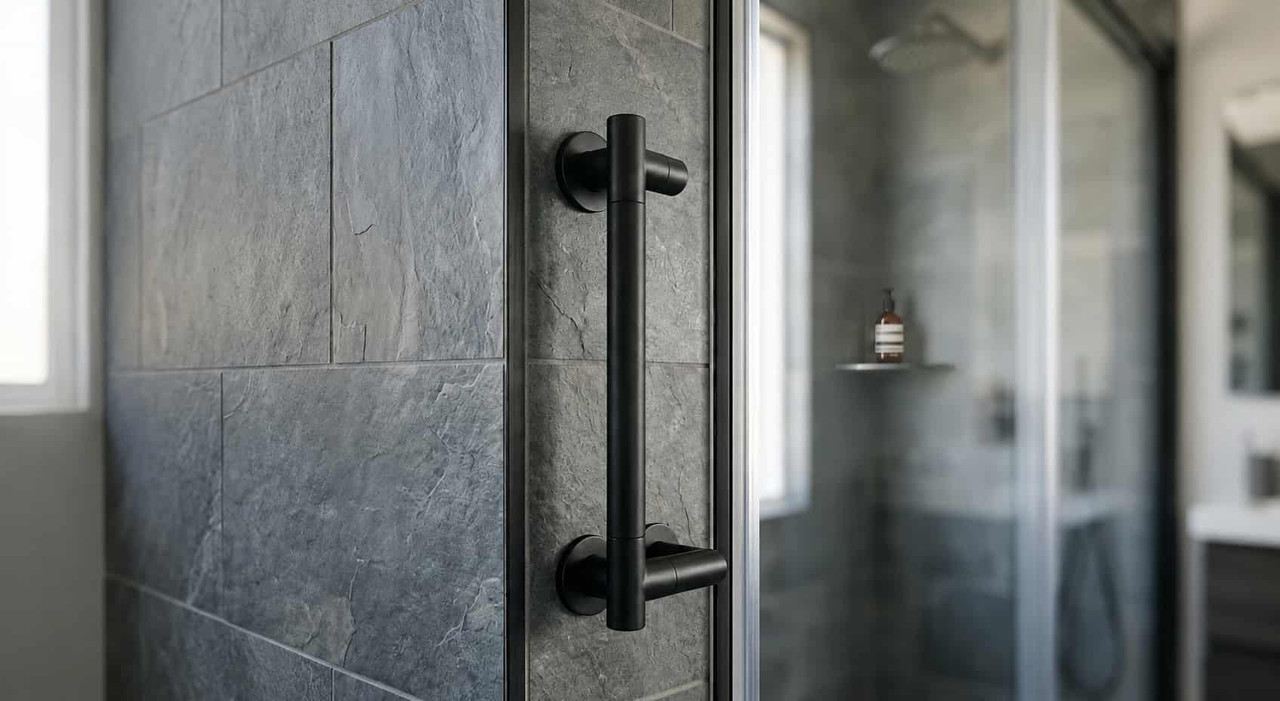
For many older adults, home is where they feel most comfortable. It's familiar, full of memories, and is where they want to remain for as long as possible. However, the home is also where the majority of falls occur.
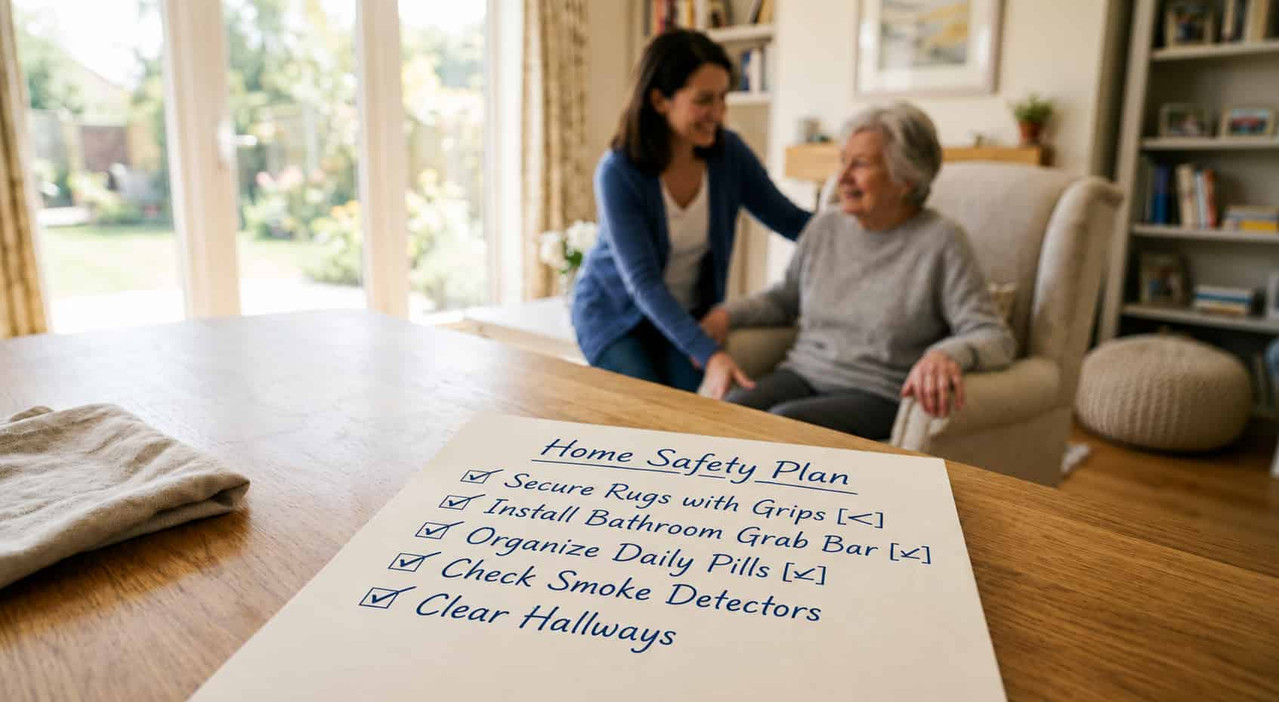
If your elderly parent keeps falling, it's natural to feel worried. While an occasional trip can happen to anyone, repeated falls should never be ignored.
Frequently Asked Questions
Keeping You Safe and Independent: Our Partnership with Able Assess
A fall can change an older adult's life in an instant, but it doesn't have to be an inevitable part of growing older. Across the UK, falls and fractures are a major challenge, costing the NHS over £2.3 billion each year and causing over 2,100 emergency hospital admissions per 100,000 seniors annually.
We believe in being proactive rather than waiting for an accident to happen. That is why we have partnered with Able Care to bring Able Assess. A state-of-the-art, digital screening tool is being directly integrated into our health and care pathways.
A Complete Health & Balance Check in Under 5 Minutes
Traditional mobility screenings can sometimes feel slow or subjective. Able Assess changes that. Using just one smart digital sensor, our team can build an incredibly accurate picture of your physical strength, balance, and resilience in less than five minutes.
The screening is quick, completely safe, and checks four vital pillars of your physical health:
-
Grip Strength: By measuring your hand grip, we get a quick snapshot of your body’s overall muscle mass, vital health status, and cellular resilience.
-
The 30-Second Chair Stand Test: This checks your lower-body strength and endurance. It directly reflects how easily you can handle daily activities like standing up from a sofa or getting out of a car.
-
The Timed Up and Go Test: This simple exercise evaluates your walking balance and general mobility as you stand up, walk a short distance, turn, and sit back down.
-
The 4-Meter Gait Speed Test: This simply measures your natural walking speed. Walking velocity is often called a "vital sign" because it is an excellent indicator of your ongoing physical independence.
Why This Matters for You
By catching hidden signs of muscle weakness or balance changes early, we take the guesswork out of fall prevention. This objective data allows us to step in immediately with personalised support—whether that means simple at-home strengthening exercises or tailored balance training—so you can stay confidently on your feet and preserve your independence.
See It in Action Near You
To find out exactly how we are using this innovative technology locally, see real patient workflows, or learn how to get your own screening, check out our [NWS Branch Page].